More Services
Connect with us
Building a home, or buying a new one before you’ve sold? These loans work differently from a standard home loan. We explain how, and set them up around your build or sale timeline.
Construction loans
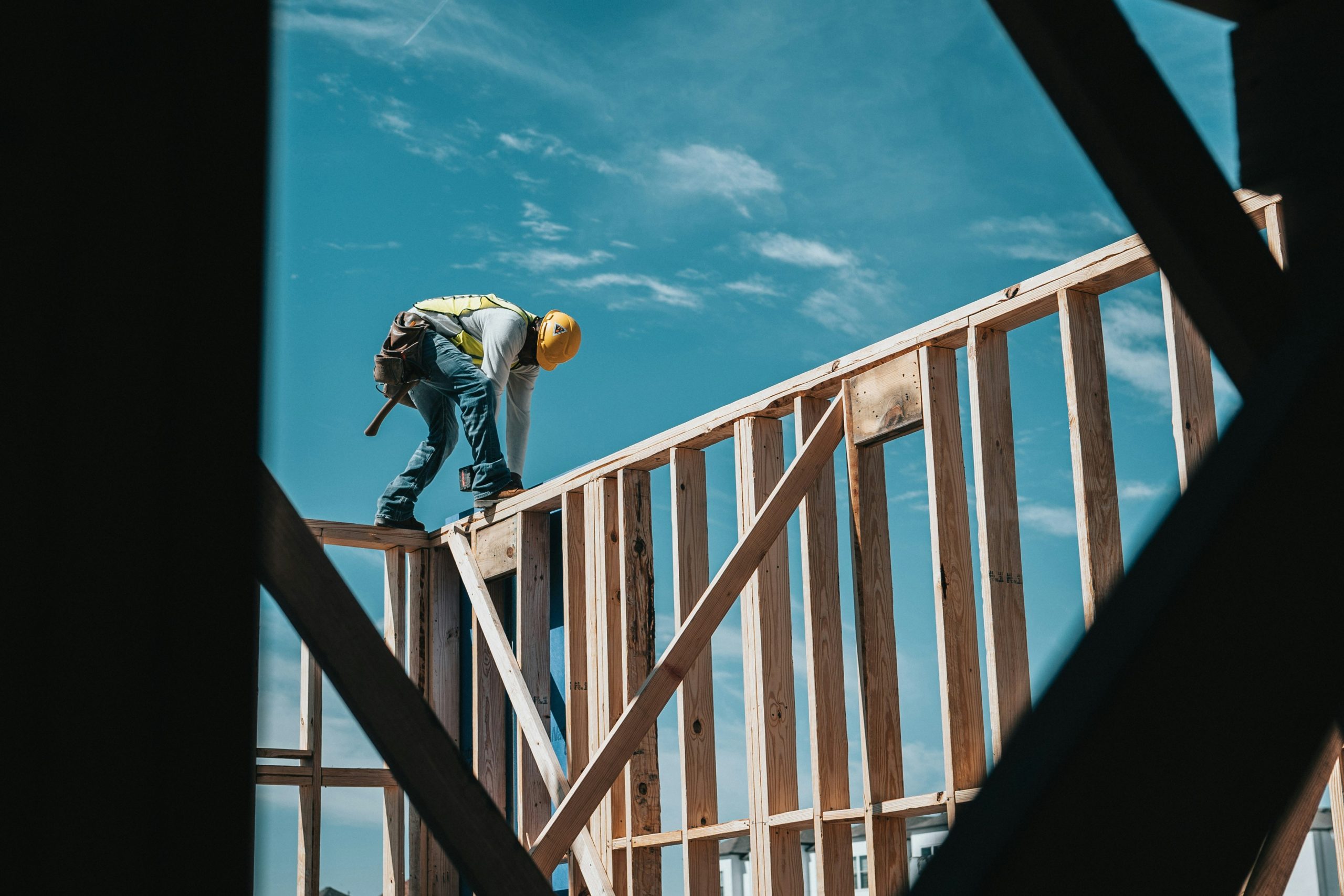
A construction loan pays your builder in stages as the work is completed, usually:
- Deposit
- Base or slab
- Frame
- Lock-up
- Fixing
- Completion
You generally pay interest only on the amount paid out so far, not the full loan, which keeps repayments lower during the build.
Good to know:
- First home buyers can use the 5% Deposit Scheme for a house-and-land package or a build. The price cap applies to the combined cost of land and construction.
- Investors: eligible new builds are exempt from the 2026 negative gearing changes. Speak to your accountant about what this means for you.
- Before you sign a building contract, check what your lender will fund. Variations and upgrades may need to be paid from your own savings.
Bridging loans
A bridging loan lets you buy your new home before you sell your current one. For a set period, the lender combines both loans, then the sale of your old home pays down the debt.
Worth knowing:
- Lenders usually give you a limited time to sell, often [6 to 12] months.
- Interest may be added to the loan during the bridging period, which increases what you owe.
- If your home sells for less, or takes longer, than expected, you carry the difference.
We’ll run the numbers for different sale prices and timeframes, so you know the risk before you commit.
Planning a build or a move?
Book a free chat or call us now!
This information is general only and doesn’t take your personal circumstances into account. Eligibility criteria, fees and charges apply.